Destination Wedding in Germany: A Guide for International Couples
Germany has become an increasingly popular destination for couples who want a wedding that feels elegant, romantic, and a little different from the usual venues at home. Before you start planning, though, it helps to understand how weddings actually work here legally, so you can focus on the parts that matter most: the celebration itself.
Civil Ceremony vs. Symbolic Ceremony
In Germany, only a civil ceremony performed at a Standesamt (registry office) is legally binding. Religious or symbolic ceremonies, however beautiful, have no legal effect on their own. Many international couples choose to marry legally in their home country beforehand and then hold a symbolic ceremony at their German venue of choice. This route means no German paperwork, no residency requirements, and far more freedom in choosing a venue, from castles to riverside villas.
If You Want to Marry Legally in Germany
Couples who prefer to marry legally in Germany should expect to gather documents such as a valid passport, birth certificate, and a Certificate of No Impediment (confirming you're free to marry) from their home country, all officially translated into German. Plan for this well in advance, ideally six to twelve months ahead, since document collection, translation, and registry office appointments can take time. Requirements vary by nationality and by local Standesamt, so the first step should always be contacting the registry office in your chosen region directly.
Choosing the Right Venue
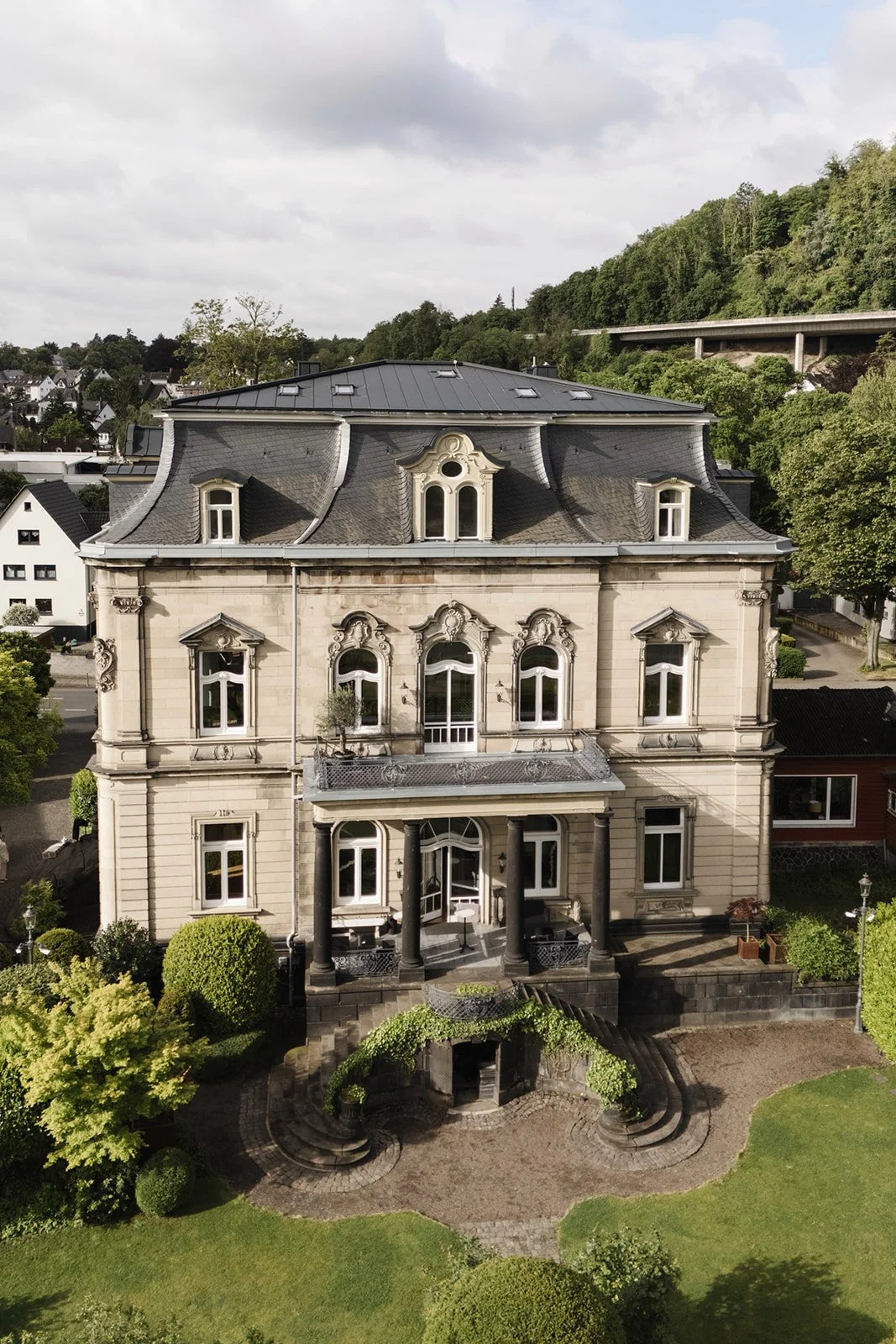
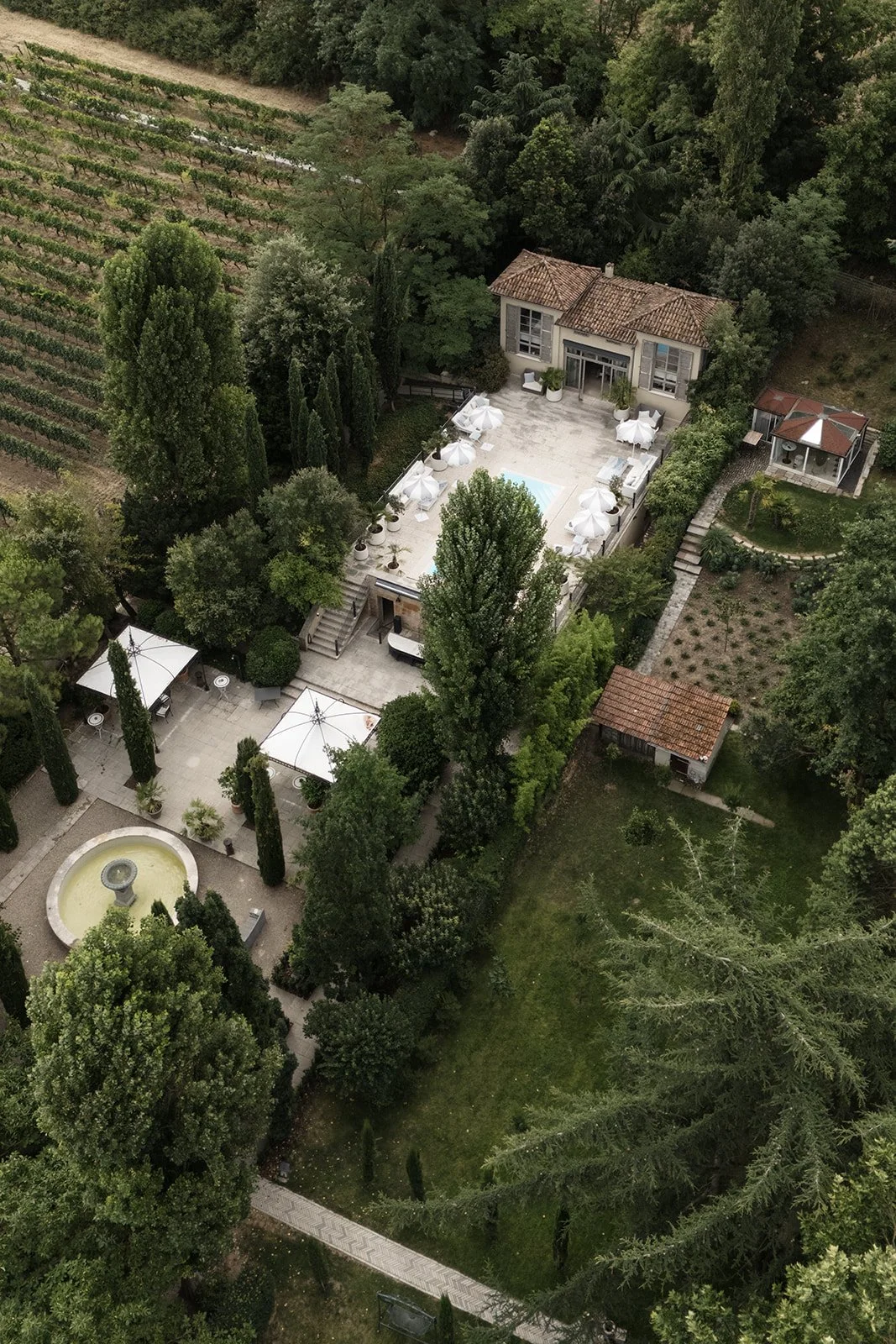
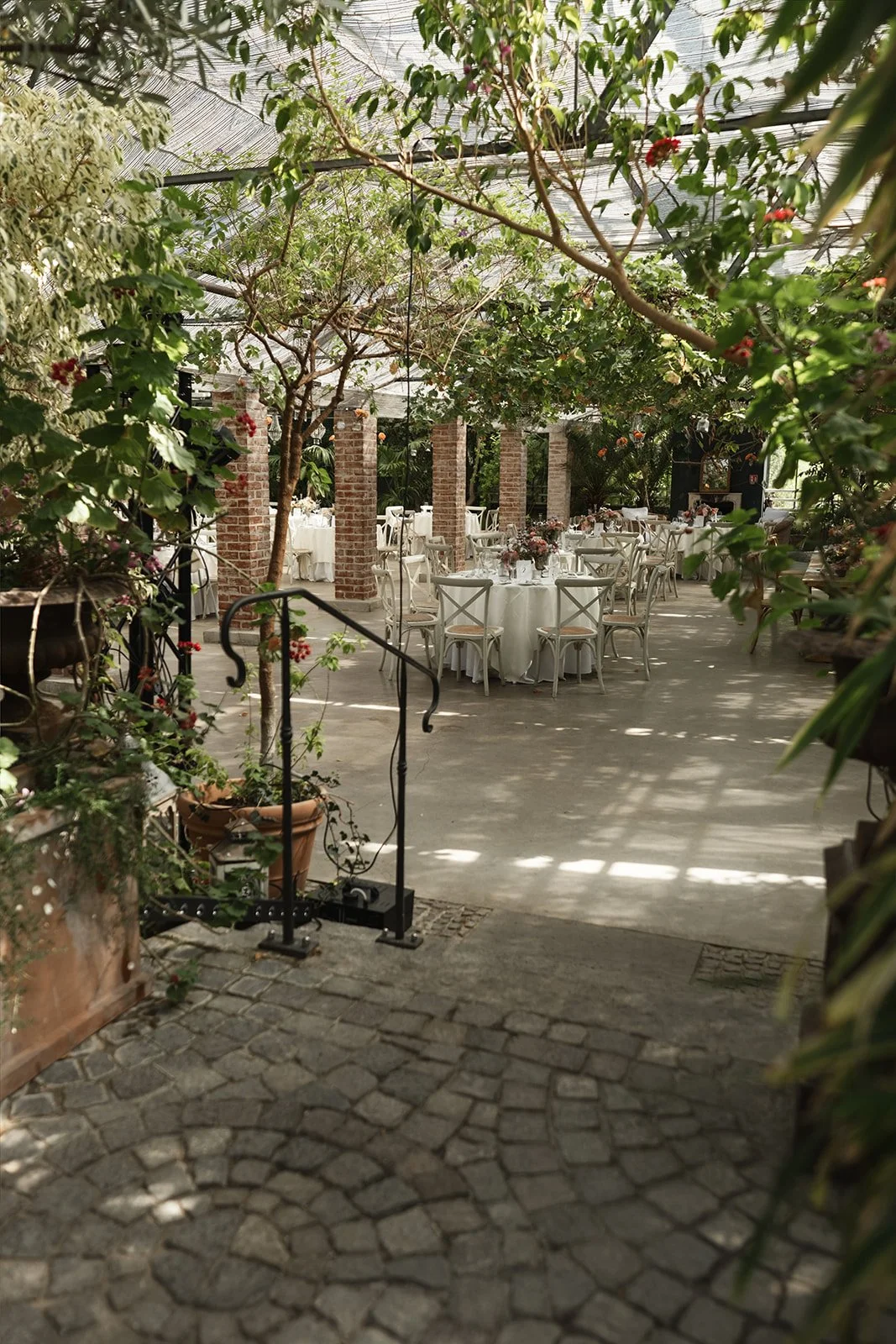
Germany offers a remarkable range of settings for a destination wedding, from historic castles to riverside villas and converted country estates. A few venues worth considering across the country include Schlosshotel Kronberg and Villa Rothschild in the Taunus near Frankfurt, Schloss Bensberg near Cologne, Klostergut Besselich and Villa Michels along the Rhine near Koblenz and Andernach, Morrhof and Hoher Darsberg in the Palatinate and Hesse regions, Die Alte Gärtnerei near Munich, and Schloss Prossen in Saxon Switzerland near Dresden. Each offers its own character, from grand ballrooms to intimate gardens, so the right choice ultimately depends on the atmosphere and region you envision for your day.
My Recommendation
For most couples, a symbolic ceremony offers the most flexibility, particularly for smaller elopements or destination shoots. Whichever path you choose, working with a photographer who understands both the legal landscape and the best venues, like the Rhine Valley around Andernach, makes planning far less stressful.
This post is general guidance, not legal advice. Always confirm current requirements with your local Standesamt or a family law specialist.
